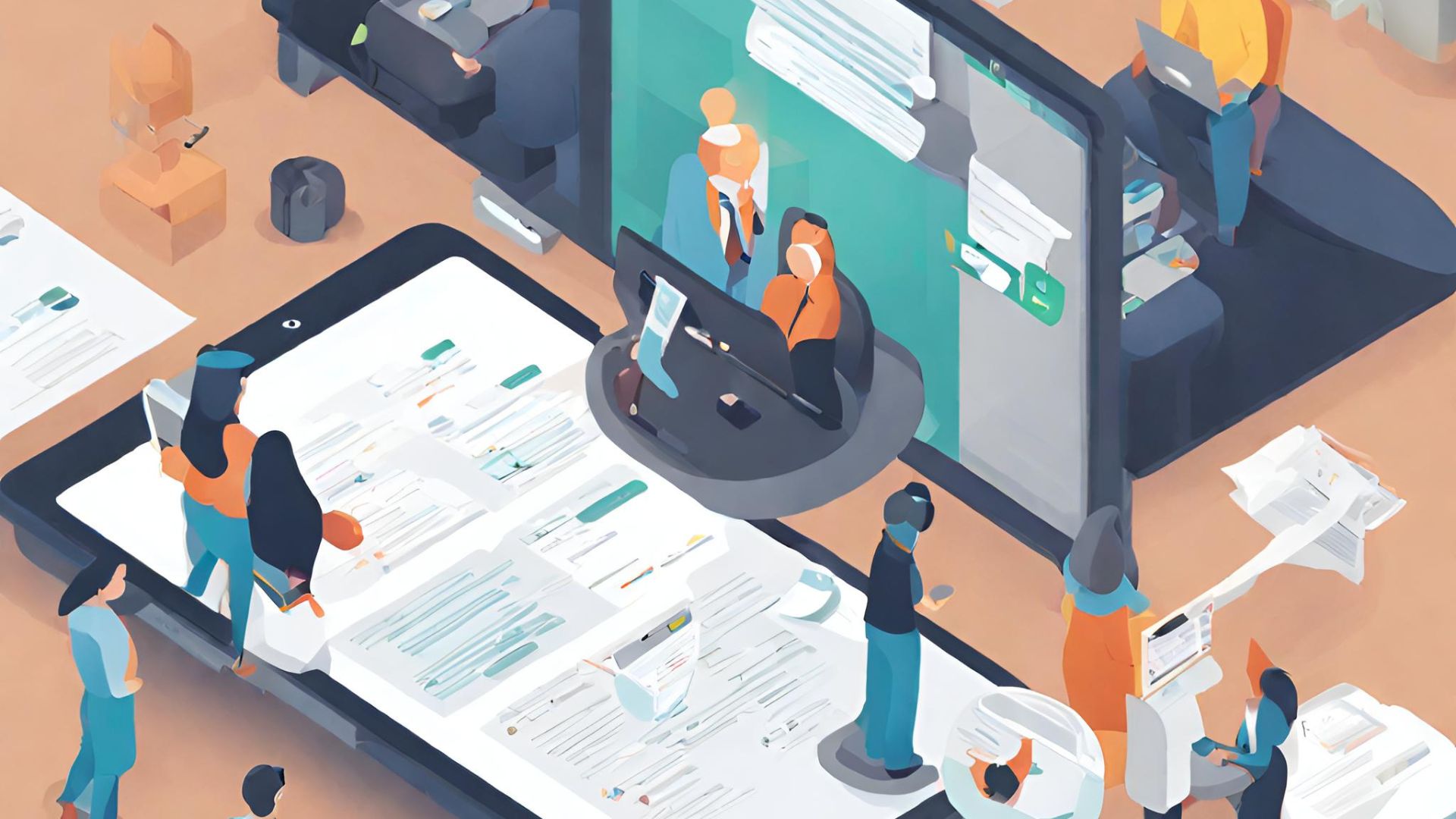
Recruitment in the Digital Age: AI and the Future of Hiring
The recruitment industry is experiencing a transformative shift, largely driven by advancements in artificial intelligence (AI). With competition for talent growing and job seekers expecting a more personalized experience, employers are turning to AI for solutions. From analyzing resumes to screening candidates and improving retention, AI is reshaping the future of hiring in profound ways. Here’s how AI is revolutionizing recruitment and what job seekers and employers can expect in the future.
1. Enhanced Screening and Selection Processes
One of the biggest challenges for recruiters is sorting through thousands of resumes to identify top candidates. Traditional recruitment processes are time-consuming and can lead to missed opportunities or biases. AI-powered applicant tracking systems (ATS) streamline the screening process by:
- Automating Resume Analysis: AI can rapidly scan resumes, filter out unqualified applicants, and shortlist the best matches based on criteria such as experience, skills, and education.
- Reducing Bias: By evaluating candidates based on data rather than personal judgment, AI minimizes human biases. This ensures that every candidate is assessed objectively, which fosters a fairer and more diverse workplace.
- Improving Efficiency: AI saves recruiters countless hours in the screening phase, allowing them to focus more on candidate engagement and relationship-building.
2. Advanced Candidate Sourcing
Sourcing candidates can be one of the most labor-intensive aspects of recruiting. AI helps employers discover suitable candidates faster by scouring online databases, social media, and professional networks.
- Talent Pooling: AI-powered software can sift through vast data sets to build pipelines of potential candidates. It can even recommend qualified candidates who aren’t actively looking for jobs but might be a good fit for future roles.
- Precision Targeting: AI uses algorithms to identify and target candidates with specific qualifications, work experience, or educational backgrounds, narrowing the search to ideal candidates.
- Smart Job Advertising: Some AI recruitment tools can tailor job advertisements to reach specific candidates based on their online behavior and job interests. This ensures job postings reach the right audience, enhancing application rates.
3. Improved Candidate Experience
In today’s competitive job market, the candidate experience plays a critical role in attracting and retaining talent. AI is enhancing this experience by offering greater personalization and faster response times.
- Automated Communication: AI chatbots can interact with candidates in real time, answering questions, scheduling interviews, and providing updates on the recruitment process. This instant communication reduces response times and keeps candidates engaged.
- Personalized Job Recommendations: AI can recommend job openings to candidates based on their skill sets, experience, and preferences. This ensures job seekers are matched with roles that best fit their interests and qualifications, improving the chances of mutual satisfaction.
- Streamlined Application Processes: Long and complicated application processes can drive candidates away. AI can help streamline applications by pre-filling certain sections or offering an option to apply with a single click. This reduces friction in the process, resulting in higher completion rates.
4. Data-Driven Decision Making
AI enables recruiters to make more informed hiring decisions by analyzing vast amounts of data. Traditional metrics like experience and education are now combined with data insights from candidates’ past performance, work behavior, and compatibility with company culture.
- Predictive Analytics: AI-driven predictive analytics use data to forecast a candidate’s potential success in a given role. By analyzing factors such as historical performance, AI can help determine if a candidate will be a good cultural and skill fit for a company.
- Enhanced Retention: AI not only improves the hiring process but also helps identify candidates likely to stay with the company long-term. By analyzing traits associated with high retention, AI can predict and prioritize candidates who are more likely to remain in their roles.
- Measuring Cultural Fit: AI algorithms can analyze a candidate’s soft skills and personality traits to assess compatibility with a company’s culture. This minimizes the risk of hires who might not adapt well to the workplace environment.
5. AI for Skill Development and Upskilling
Beyond hiring, AI is helping companies identify skill gaps within their teams and offering solutions for employee upskilling. This is crucial for organizations looking to remain competitive and future-ready.
- Internal Mobility Programs: AI can assess current employees for potential job openings, helping companies reduce hiring costs and promote internal growth. Identifying internal candidates who are a good fit for new roles fosters loyalty and retention.
- Upskilling Recommendations: AI-powered platforms can recommend training programs and courses tailored to employees’ career paths. By investing in employees’ skill development, companies prepare their teams to take on evolving job demands.
- Performance Tracking and Feedback: AI systems can monitor employee performance, identify areas of improvement, and provide feedback. This ongoing evaluation helps employees grow within the company and ensures they’re continuously adding value.
6. Future of AI in Recruitment: Ethical and Privacy Considerations
As AI continues to impact recruitment, ethical considerations and data privacy are becoming increasingly important. It’s essential for companies to adopt AI responsibly and transparently.
- Transparency in AI Algorithms: Candidates should be aware of how their data is being used and evaluated. Companies must be transparent about their AI systems, ensuring job seekers trust the process.
- Data Privacy: With large amounts of personal data being collected, ensuring data security and privacy is paramount. Organizations must comply with data protection laws and secure sensitive information.
- Bias Detection: While AI can reduce human bias, it’s still susceptible to bias based on the data it’s trained on. Companies need to implement regular checks to prevent unintended biases from impacting hiring decisions.
Final Thoughts
The integration of AI in recruitment is shaping a more efficient, transparent, and fair hiring landscape. By embracing AI-powered recruitment solutions, companies gain a competitive edge by attracting the best talent faster and with more precision. For job seekers, understanding the role of AI in recruitment can help them adapt to new tools and increase their visibility in the digital job market.
In a constantly evolving job market, staying updated on AI trends is crucial for recruiters and job seekers alike. As AI continues to evolve, its role in recruitment will undoubtedly expand, driving efficiency, precision, and a more positive experience for all parties involved.